Introduction
When it pertains to enhancing your home's value and curb appeal, couple of financial investments are as advantageous as installing a fence. Among the numerous fencing options available today, Colorbond steel fences stand apart for their resilience, aesthetic appeal, and low upkeep requirements. This guide will walk you through the process of setting up a Colorbond fence step by action, making sure that you have all the info you require to make an informed decision.
Whether you're a DIY lover or somebody seeking to employ experts, this step-by-step guide to setting up a Colorbond steel fence will supply important insights. So let's get started!
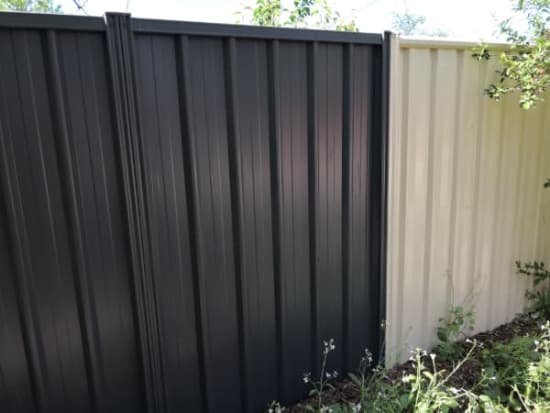
What is a Colorbond Fence?
Understanding Colorbond Fencing Materials
A Colorbond fence is made from high-quality steel coated with a long lasting paint surface. The distinct manufacturing procedure involves galvanizing the steel to avoid rust and corrosion, making it a perfect option for different climates.
Benefits of Picking Colorbond Steel Fencing
- Durability: Colorbond fences can withstand harsh weather conditions without contorting or cracking. Low Maintenance: Unlike timber fences that need routine painting or staining, Colorbond fences just need occasional cleaning. Variety of Designs: Available in numerous colors and styles, they can suit any home design.
A Step-by-Step Guide to Installing a Colorbond Steel Fence
Step 1: Preparation Your Installation
Choosing the Right Location
Before diving into setup, it's vital to determine where your fence will go. Consider residential or commercial property lines and local zoning guidelines.
Obtaining Essential Permits
Check with your regional council regarding any authorizations needed for setting up a fence. This can save you from future headaches.
Step 2: Event Required Tools and Materials
Essential Tools for Installation
- Tape measure Level Post hole digger Hammer Screwdriver String line
Materials Needed for Your Colorbond Fence
- Colorbond panels (length varies based upon your requirements) Gate hinges and locks (if applicable) Steel posts Concrete mix
Step 3: Marking Out Your Fence Line
Using String Lines for Accuracy
To ensure your fence is straight, run string lines in between stakes marking the corners of your installation location. This visual guide will be invaluable during installation.
Measuring Ranges In between Posts
Typically, posts should be spaced about 2.4 meters apart to supply ideal assistance for the panels.
Step 4: Digging Post Holes
Determining Hole Depth and Width
Post holes need to be dug deep enough to support the height of the fence while enabling concrete setting. A depth of at least 600mm is usually recommended.
Using Correct Tools for Digging
Employing a post hole digger or auger will assist you achieve tidy holes quickly and efficiently.
Step 5: Setting Up Steel Posts
Placing Posts in Holes Correctly
Position each post upright in its particular hole. Ensure it aligns with your string line before protecting it in place.
Mixing Concrete for Stability
Prepare concrete mix according to package directions and pour it around each post until fully framed. Enable sufficient time for curing.
Step 6: Putting up Panels Between Posts
Aligning Panels Correctly
Once the posts are set and treated, begin connecting your panels in between them. Start from one end and work your way to maintain consistency.
Step 7: Including Gates (If Needed)
Choosing the Right Gate Size
Gates ought to be large enough for easy gain access to however not so wide that they compromise security. Normally, gates range from 1 meter to 1.2 meters wide.
Hanging Gates Properly
Use strong hinges created particularly for heavy gates and guarantee they are level when installed.
Continued Advancement of Each Section ...
(The article would continue broadening on each action in https://judaheibx324.tearosediner.net/how-to-combine-colorbond-fencing-with-natural-elements-in-your-backyard detail consisting of troubleshooting common concerns throughout setup, checking out various styles offered in Colorbond fencing, going over maintenance ideas post-installation, and so on)
FAQs
What is the average cost of installing a Colorbond steel fence?
The average expense can vary substantially depending upon materials utilized, labor costs, and length required; normally ranging from $75 to $150 per meter installed.
How long do Colorbond fences last?
With appropriate installation and care, Colorbond fences can last upwards of 30 years or more without significant wear or tear.
Can I install a Colorbond fence myself?
Yes! Lots of property owners pick DIY setups; nevertheless, if you're not sure about any step or lack tools, working with experts might be best.
Do I need permission from my neighbor before setting up a fence?
It's always polite-- and often lawfully needed-- to inform neighbors about planned setups that may impact shared boundaries.
Are Colorbond fences environmentally friendly?
Yes! The steel used in Colorbond fencing is recyclable at the end of its life process which decreases environmental effect compared to some other materials.
What colors are available for Colorbond fencing?
Colorbond provides an extensive variety of over 14 colors developed to fit different visual appeals-- from earthy tones to lively hues!
Conclusion
Installing a Colorbond steel fence not just enhances your residential or commercial property's aesthetics however likewise offers increased security while being exceptionally low-maintenance. By following this step-by-step guide, you're geared up with all needed understanding-- from preparing through setup-- ensuring success every step of the way!
Remember that investing time into comprehending each stage can lead you toward achieving that perfect balance between functionality and design while adding worth to your home!
This post acts as an extensive resource that guides readers through every aspect of setting up a Colorbond steel fence By leveraging actionable insights along with useful guidance throughout this journey-- anybody can become proficient at setting up their own robust fencing solution!