The first time I stepped into a woodworking store alone, I really did not understand what I didn't know. I had an obtained round saw that wandered, a tape measure with a twist near the 12-inch mark, and enough confidence to destroy plywood at a heroic speed. What conserved me wasn't getting every shiny point on the wall, it was discovering which devices issue, which ones can wait, and how to make use of the essentials with care. If you're beginning your own bench from square one, this is the course I 'd hand you across the sawdust.
Start with timber, not tools
Most people hurry to collect equipment. It's more gratifying to buy timber and try one little job with marginal tools-- a step feces, a basic rack, a dog crate for yard tools. You will promptly discover whether you favor hand tools for do it yourself projects and silent nights, or power tools for home renovation and faster cuts. The appropriate set grows from the type of work you in fact do.
A fast peace of mind check: the best tools for woodworking are the ones you can keep, maintain sharp, and store safely. If a tool's arrangement really feels mystical, chances are you will not grab it. Focus on devices you recognize and take pleasure in using.
The foundation: gauging, marking, and layout
Precision in woodwork begins prior to any type of blade touches supply. Poor gauging compounds into voids, shaky joints, and doors that never ever hang fairly right.
A 25-foot tape with a standout that holds around 8 feet is the daily workhorse for do it yourself home enhancement ideas and framework. Quality varies extremely, but if the hook is loose or curved, your cuts will certainly echo that slop. Supplement it with a 12-inch mix square that in fact locks square. I've re-squared much more bad squares than I like admit. A good combo square sets fencing distances for a router, checks blade tilt on a table saw, and registers centerlines for hardware.
Add a dependable noting knife and a 0.5 mm mechanical pencil with HB or H lead. The knife develops a physical shoulder that lowers tear-out and guides chisels. For angles, a moving bevel beats a protractor genuine job, particularly for imaginative woodworking ideas like five-sided planters or splayed legs. Completing the design package, a chalk line and a long straightedge aid if you're damaging down sheet products on the floor with a circular saw.
These peaceful tools draw more weight than any type of glamorous power device, and they teach you exactly how wood registers, just how light exposes monotony, and just how your hands convert measurements right into truth. They're the heart of any kind of woodworking hand devices direct with staying power.
Cutting supply: hand saws that educate you feel
You can build furniture with nothing but hand tools if you're stubborn and individual. Also if you prepare to run a shop filled with power devices, a few saws maintain you functioning when noise is a concern or a cut is also delicate for a motor.
A ryoba pull saw is my suggestion for an initial hand saw. It combines a rip side for cutting along the grain with a crosscut side for cutting across. The kerf is thin, the cut is clean, and the feel is instinctive when you unwind your grip. A fine-tooth back saw aids for joinery like dovetails and tenons. Do not overbuy here. It's much better to have one saw you hone or change as required than five that sit dull.
I've utilized a timeless Western panel saw on roof covering rafters and a Japanese dozuki for little box joints. Both globes function. Pick the one that encourages you to practice. For DIY tool sets on a budget, a solitary ryoba and a miter box handle most beginner woodworking jobs without fuss.
Chisels and planes: the peaceful fixers
There is no alternative to a sharp carve. You'll pare tenons, clean mortises, tear adhesive out of edges, and sometimes open a paint can although you shouldn't. Begin with a 6, 12, and 25 mm set, or in imperial, about 1/4, 1/2, and 1 inch. Learn to hone. A fundamental sharpening arrangement with a 1000/6000 water stone or a pair of diamond plates and a natural leather strop is better than an expensive chisel that never sees a stone. Also cost effective tools for do it yourself can carry out like specialist woodworking devices when they're sharp and established correctly.
A low-angle block plane is one of the most forgiving very first airplane. It cuts end grain, breaks edges, and sneaks up on a suit a method sandpaper can not. Add a No. 4 smoother when you hunger for that lustrous surface area with no sanding scrapes. I still bear in mind the very first time I planed a cherry board until the fibers mirrored light like a mirror. That sort of surface isn't hard, it's simply the benefit for a tuned aircraft and a light cut.
Clamping and workholding without the clamp hoard
Clamps increase. They likewise set you back real cash. You don't require a hundred to start. Four 24-inch F-style clamps, two pipeline clamps with 3/4-inch black pipe, and a couple of quick-grip clamps cover 90 percent of DIY furnishings jobs and small fixings. Cauls made from straight scrap wrapped in sealing tape spread clamp stress and maintain glue from sticking. A bench vise is a luxury in the beginning, however even a basic sacrificial top with bench pet dogs and wedges turns a table right into a qualified job surface.
The distinction in between an unsteady assembly and a fresh start is usually how well the job is supported, not the number of clamps you use. Workholding is a craft. If your parts creep under pressure, add a pinch of rosin to cork pads or make use of blue tape and CA glue as short-lived components. This matters for joinery, yet it matters just as much for do it yourself repair services and maintenance around the house.
Drilling and driving: the contemporary essentials
If you buy one power tool, make it a 18V or 20V-class cordless drill/driver with a clutch. A small influence chauffeur is following if you hang closets, frame walls, or do outdoor builds. Keep a sharp brad factor little bit established for clean openings in wood, and a countersink that does not babble. Spade little bits are fine for rough work, Forstner little bits are much better for crisp flat-bottom holes and hinge cups.
I choose a separate drill and vehicle driver to swapping little bits back and forth, particularly throughout step-by-step DIY guides where momentum issues. For pocket hole joinery, a tiny jig transforms plywood into durable boxes with minimal setup. It's not stylish, but also for DIY woodworking projects like store cupboards or wardrobe organizers, pocket openings are tough to beat.
Saws with cords and batteries: rate with responsibility
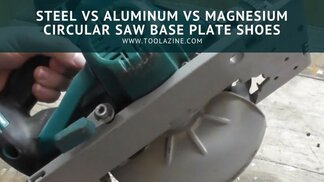
The round saw is the entrance to power tools for home enhancement. On a straight edge, it can rip sheet items straighter than a beginner with a table saw. Make use of a high-tooth-count blade for plywood and a framing blade for construction lumber. I built a whole cooking area's well worth of carcasses with a circular saw, a homemade overview, and patience. If your budget permits, a dive track saw with an excellent blade significantly raises your accuracy and minimizes tear-out. It edges toward professional woodworking devices, yet the time saved includes up.
A jigsaw with a sharp, appropriate blade makes bent cuts, notches, and on-site adjustments. Find out to orient the grain so you cut downhill and prevent surface tear-out. For exact cleanouts and trim job, a compact trim router with a roundover little bit, chamfer little bit, https://www.toolazine.com/ and flush-trim bit opens up a globe of tidy sides and design template routing. Maintain your hands steady, make light passes, and remember that even top woodworking tools misbehave when you try to hurry the cut.
A miter saw behaves to have for repeatable crosscuts and miters. If you're mounting or constructing decks, it's a primary device. If your emphasis is little furniture and do it yourself design ideas inside your home, you can get by with a sled on a table saw or a strong miter box and back saw up until later.
The table saw question
Beginners ask if the table saw is vital. It depends. If your job leans toward solid timber furnishings and you have space, dirt collection, and the spending plan, a table saw ends up being the heart of your store. It rips supply securely when you make use of a riving knife, press sticks, and a featherboard. Include a crosscut sled and you can cut exact joinery and dead-square panels. If room is limited, a good track saw plus a router table can cover 80 percent of jobs with less footprint and often higher security for lengthy or unpleasant pieces.
My judgment after years of tasks: begin without a table saw. If after 6 months your job would clearly be simpler and more secure with one, you'll understand. The best woodworking plans are a better guide to tool choice than advertising insurance claims. Build to your workflows.
Sanding without hating sanding
An arbitrary orbital sander with an 8-hole pad and a hook-and-loop base saves time and fingers. Run great paper. Cheap discs clog, get too hot, and leave swirls. Vacuum cleaner the pad and the job between grits. For a tidy finish, progress via grits rather than skipping, especially on open-grain woods like oak where scratches conceal till you use coating. A sanding block still matters for edges and for leveling connected holes and small repairs.
At some factor you'll consider a board and question whether to sand in all. A sharp aircraft leaves a surface area that ends up wonderfully with less coats. This decision belongs to advanced woodworking strategies, the type of nuanced selection that makes your job faster and much better with experience.
Glue, fasteners, and the quiet chemistry
PVA wood glue is the default. Kind I or II for wetness resistance on cutting boards and exterior furniture, Type III for severe exposure. I keep a bottle of liquid hide glue for relatively easy to fix joints and a tube of construction adhesive for subfloors and harsh woodworking. Screws matter more than individuals confess. Buy square or Torx drive when possible. Maintain a little case of closet screws with incorporated washers for softwoods and plywood.
Brads and pins, fired from a nailer, are less invasive than screws when you need short-lived hold while glue treatments. If you do not have a nailer, blue tape extended tight or a rub joint with conceal glue can stand in. Anything that regulates creep during securing boosts your results.
Safety gear that in fact gets used
Good earmuffs live around your neck. Safety glasses are pointless in a drawer, so hang them on the drill press or near the door. A dirt mask is far better than nothing, yet a half-mask respirator with P100 filters is the distinction in between wishing you're safe and understanding you are. Dust is cumulative, and wood dust is no joke. For DIY gardening projects or sanding outdoors, the wind aids, however don't count on it. A small shop vac with a HEPA filter and a cyclone separator catches chips and maintains your area livable.
You will certainly nick yourself once you begin, so keep an emergency treatment package that consists of finger plasters and superglue meant for skin. I maintain nitrile gloves near surfaces and epoxies, both for safety and because it maintains the store sink from scenting like solvents.
The smallest points that matter most
A card scrape looks like absolutely nothing and imitates magic. With a great burr, it eliminates tear-out and leaves a polished surface area also on gnarly grain. A marking scale, ideally wheel style, provides crisp parallel lines for constant tenon cheeks and rabbets. A set of feeler determines helps with device arrangement, and a tiny electronic angle finder puts a number on blade tilt that your eyes can't judge.
These price little and alter everything. In a group like woodworking tools and equipment, the least flashy devices typically lug one of the most weight in finished quality.
Space and surfaces: your modest workshop
I have actually operated in a one-car garage, on a veranda, and in a dedicated store. The continuous is a level, steady surface area and good lights. If you can construct a torsion box top with construction lumber and MDF, do it. It functions as a setting up table and a reference surface. Also a set of folding sawhorses and a dead-flat hollow-core door make a great impromptu bench for easy DIY home projects.
Good light reveals mistakes early. LED strips over the primary bench and clamp-on task lights near the router or pierce press lower mistakes. A rubber mat under your key work zone spares your back and keeps chisels that roll off the bench to life a little longer.
Budget strategy: acquire as soon as when it matters, conserve where you can
There's a clever order to updating. Spend on blades, little bits, and layout devices. Economical blades waste time and material, and they make good saws feel negative. Stretch for the most effective blades you can sharpen and a trusted square that remains square. Save on clamps, jigs you can construct, and storage. Festive wall racks constructed from scrap beat plastic bins for keeping offcuts and tiny parts.
If you're constructing DIY device kits on a tight budget plan, try to find refurbished power tools from trustworthy brands and skip uniqueness gizmos. Craigslist and neighborhood teams commonly list estate shop cleanouts with hand aircrafts and dental braces that simply need corrosion removal. You can additionally see woodworking workshops near me or you, lots of offer tool-lending or community store hours. Time on a well-tuned device educates much more in a weekend than months of scrolling.
A sensible newbie's course through projects
Your first builds need to educate skills while producing something helpful. Face structures show you to airplane sides square. A box with a hinged lid educates exact crosscuts, grain instructions, and mounting tiny hardware. A floating rack shows wall surface anchors, studs, and surprise brackets. A garden planter manages outdoors, drainage, and ending up for weather condition. A basic coffee table presents mortise-and-tenon or pocket hole structures and flush-trimming.
Start with two or three joints: butt joints with adhesive and screws, dadoes routed with a straightedge, and pocket openings. Next off, try a fundamental mortise and tenon. As soon as you cut an excellent one, you'll feel the distinction in racking strength and silence. Use the construct to pick tools next. If you battle to reduce straight lines in plywood, a track saw or a much better circular saw overview might out perform a brand-new chisel.
When to go pro with your tools
Some devices cross from property owner quality to expert woodworking tools due to the fact that they hold setups without drift, deliver repeatable accuracy, and survive hefty usage. A router with micro-adjust fencing adjustments your joinery game. A table saw with a level fence and a true miter scale cuts tight box joints and splined miters. A jointer and a planer step you into crushing harsh lumber, which frequently costs less and gives far better supply than pre-surfaced wood.
Go this route as soon as you observe a pattern: you're spending more time taking care of boards than structure. For several, a lunchbox planer arrives in the past a jointer. You can joint one confront with a sled or a hand aircraft, then airplane the opposite face parallel. That compromise is a classic cost effective DIY remedy while you construct abilities and conserve space.
Mistakes you'll make and exactly how to avoid repeating them
You will certainly measure from the wrong end of the board, reduced the joint mortise on the left door to the right, and sand with veneer on plywood. Consider it tuition. Blue tape notes on components, triangular witness marks throughout panels, and chalk arrowheads revealing face sides and face borders minimize this pain. Dry fit before glue, also for basic assemblies. If you require a mallet to compel the completely dry fit, revamp something till it glides along with firm hand pressure.
I found out to maintain sacrificial boards behind exit points when piercing to prevent blowout, and to slow the last inch of a round saw cut so the offcut does not tear. These small woodworking ideas and tricks intensify into crisp, professional results. They aren't extravagant, yet they are the difference in between "practically" and "perfect."
Finishes: simple, durable, and realistic
Start with wipe-on coatings. Oil and oil/varnish blends are flexible, and they suit do it yourself home renovation where speed and touch-ups issue. For table tops that see spills, a couple of coats of waterborne polyurethane degree nicely and dry quick with marginal smell. Develop an examination board from the actual job offcuts. Tag each area with grit, number of layers, and item. Keep it for future reference. This miniature lab note pad conserves hours later.
Apply finish with a lint-free cloth or an excellent synthetic brush, keep a damp edge, and withstand need to overwork. Several beginners believe more layers take care of everything. Surface area prep does greater than added coats, and a consistent workflow defeats heroics.
A beginner's checklist you can trust
Use this as a standard package that grows with you. Beginning right here, then get used to your space and projects.
- Measuring and design: 25-foot tape, 12-inch combination square, marking blade, mechanical pencil, sliding bevel Cutting and shaping: ryoba draw saw, low-angle block plane, three bench knives, arbitrary orbital sander, card scraper
The power boost when you're ready
Add these when your jobs ask for rate and repeatability.
- Drilling and directing: 18V drill/driver, effect vehicle driver, brad factor little bits, Forstner established, portable trim router with roundover and flush-trim bits Breaking down and joinery: circular saw with overview, jigsaw, pocket hole jig, 4 24-inch clamps and 2 pipeline clamps
The shop state of mind that lugs you far
Carpentry compensates individuals who take note, take care of small errors before they grow out of control, and choose tools that match the job. If your stock is twisted, no device can make the joinery fit effortlessly. If your measurements wander, a premium saw won't save the day. Build behaviors that take a trip across tasks: mark face sides, make use of tale sticks for repeating measurements, and sharpen prior to you think you need to.
You'll hear a lot of absolutes. Hand tools purists will inform you devices are soulless. Power-tool followers will disregard hand work as slow. The fact is that the best devices for woodworking are the ones you touch confidently. On a silent night, an aircraft murmuring off a board is treatment. On a Saturday early morning prior to a storm, a circular saw tearing sheets for garage shelves is the right telephone call. The craft is big sufficient for both.
Where to discover, who to ask, and how to improve
If you can, take a newbie class. Search woodworking workshops near me and read the evaluations for hands-on training, not just demos. Ask to bring a project idea and obtain suggestions on workflow. Local wood dealers are additionally concealed classrooms. The folks who market rough boards can educate you how to read grain, stay clear of pith, and choose straight supply for legs. Online, seek manufacturers that show errors and solutions, not just excellent edits.
Share your job. A good friend that cooks will value a straightforward reducing board and won't judge the faint sanding swirl you missed. You'll see it, and that's what matters. Keep a notebook with measurements that functioned well, finishes you liked, and notes like "oak drinks end up, add a coat" or "pre-drill near ends of yearn to stay clear of divides." This is just how your tools become yours.
Final thoughts before you make your very first cut
Start with a task that fixes an actual issue in your home. Build a shoe shelf that fits the exact area by your door, a planter box for the balcony, or a wall shelf that ultimately corrals the cookbooks. Select the following device only when a task demands it. Exercise with scraps before touching the real piece. Keep the store sweepable, your blades sharp, and your plans humble. You will certainly be astonished at exactly how much this brings you.

Carpentry is a daring craft due to the fact that every board is different. One spins as it dries out, an additional aircrafts like butter, a third programs a knot right where you planned a mortise. The important devices for carpentry are your consistent hands, your eyes for grain and light, and your standard kit: precise format, sharp sides, firm securing, and a few honest devices. Construct with those, and the rest follows.